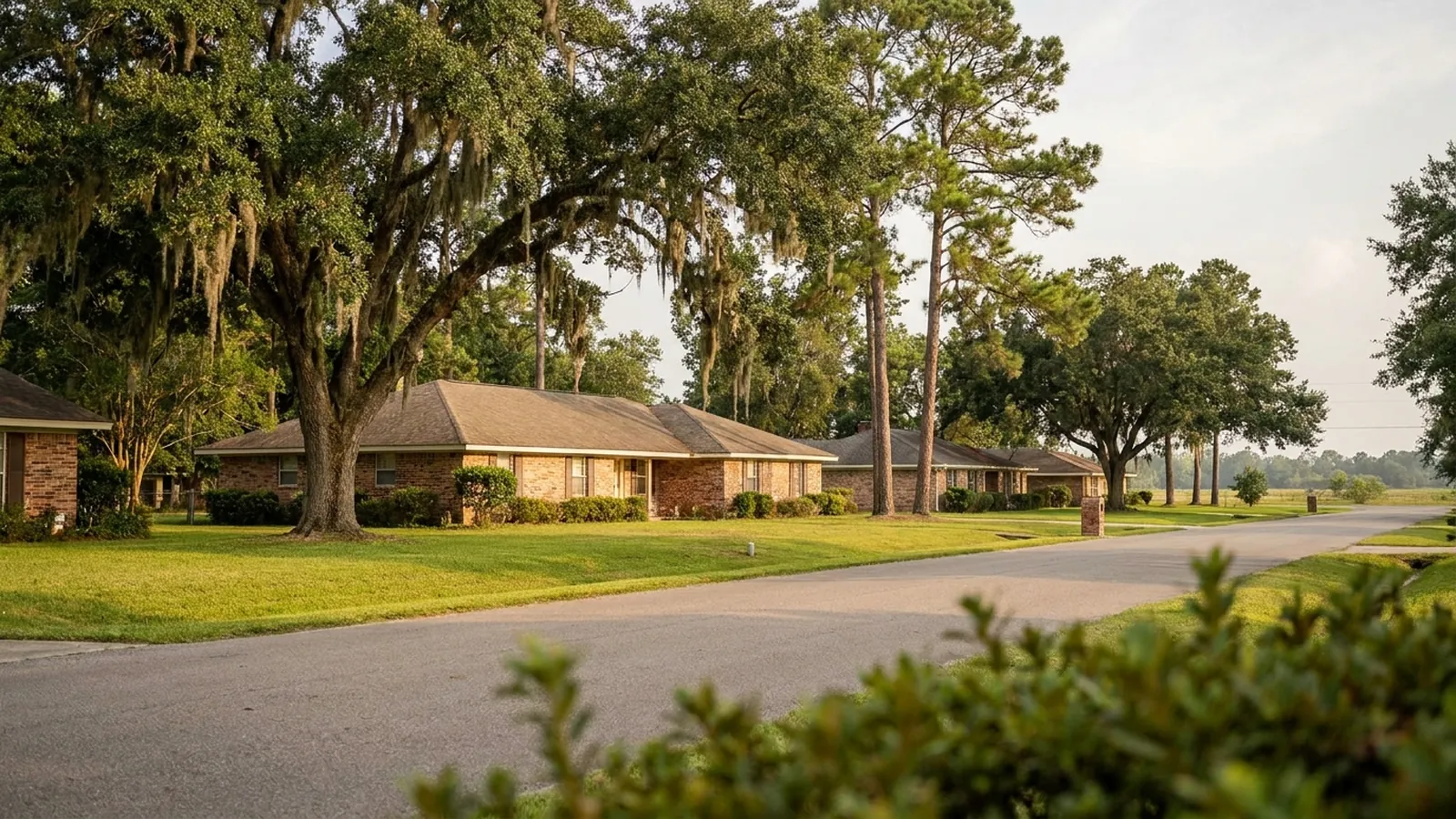
Southwest Louisiana took four federally declared disasters between August 2020 and May 2021. For a great many local houses, mold traces to that sequence rather than to anything the household did — and the dates are what let you place your own damage.
The four events, why the order mattered more than any one of them, and how to work out which one you are dealing with.
The four events
| When | What | What it did to buildings |
|---|---|---|
| 27 August 2020 | Hurricane Laura, Category 4, winds over 150 mph | The most powerful hurricane to strike Louisiana since the 1850s. Roof and structural damage across the region |
| October 2020 | Hurricane Delta | Rain driven through roofs still damaged and still tarped from Laura |
| February 2021 | Winter Storm Uri | Lake Charles to 16 degrees, three-quarters of an inch of sleet on the 15th |
| 17 May 2021 | Flooding, 12.49 inches in a day | The heaviest single-day rainfall total in 41 years |
Why the order mattered more than any single storm
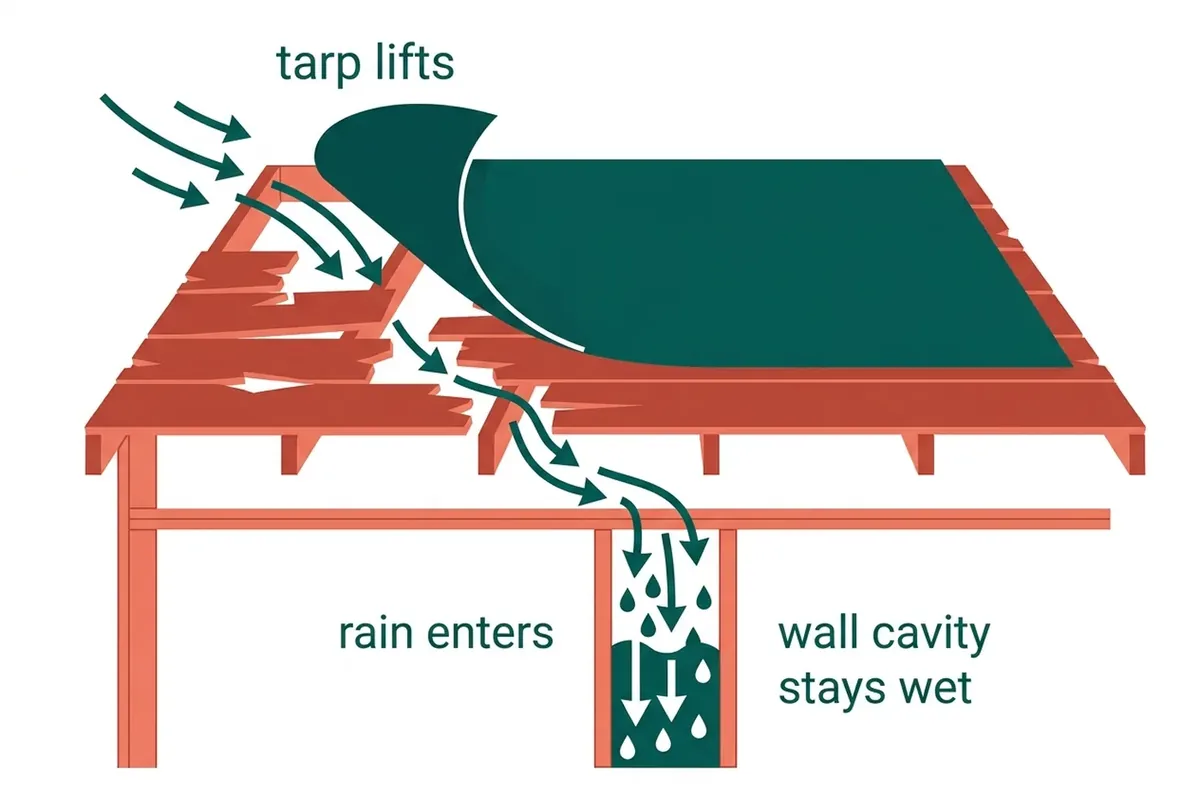
Laura did the structural damage. What made the mold consequence so widespread was what came next: Delta arrived while an enormous number of roofs were still covered by tarps rather than repaired.
The mechanism is documented and specific. Delta's wind moved those tarps, heavy rain entered the houses beneath them, and the heat and humidity that followed produced ideal conditions for mold and decay. A tarp is an emergency measure, not a roof, and it was being asked to do a roof's job through a second hurricane.
That is worth stating plainly because of what it means about fault: for a very large number of households here, the mold has nothing to do with maintenance, ventilation, or anything anyone chose. It has to do with a sequence.
Working out which event you are dealing with
- Insurance correspondence. Usually the best written record a household has of exactly when damage was reported and what was claimed
- When a tarp went on, and when it came off. The gap between those two is the exposure window
- When a repair crew came. Even approximately — the month is enough
- When you first noticed a smell or a stain. Written down at the time or not
- Photographs on your phone. Dated automatically, and most people have more than they remember
Does it still matter?
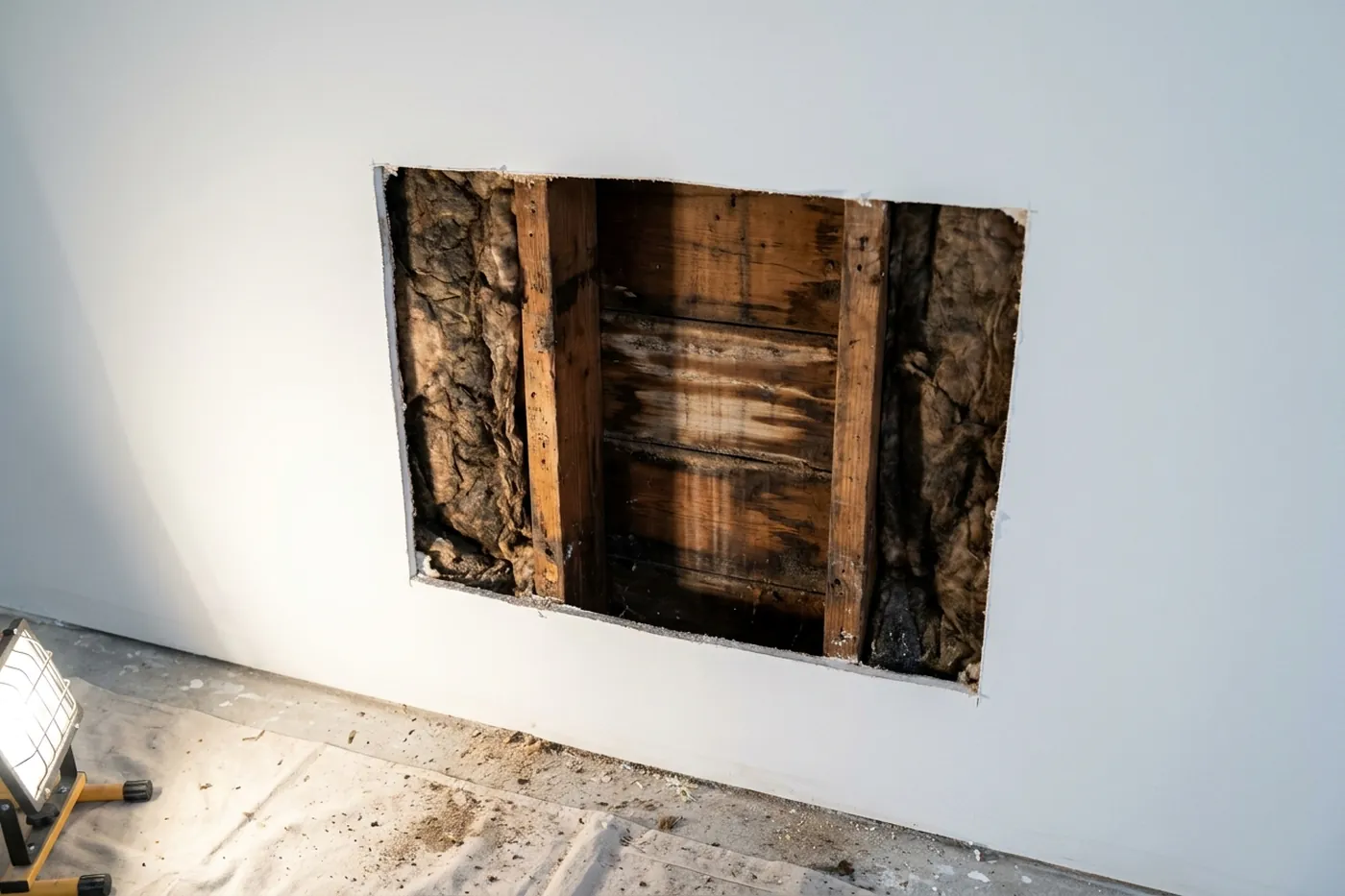
For the physical work, often not much — wet material is wet material and it comes out either way. Where it matters is in two places.
Whether the source is still live. If the roof that failed has since been properly replaced, remediation is final. If it was patched and never revisited, it is not, and the scope needs to say so before drywall comes off.
An open claim. A number of claims from these events remained unresolved for years. Where yours is one of them, being able to place damage against a specific event with dated evidence is worth having. This site is not an adjuster and this is not insurance advice — but the documentation is the same documentation either way.
The timeline, answered plainly
What were the four disasters?
Hurricane Laura on 27 August 2020, a Category 4 with winds over 150 mph. Hurricane Delta in October 2020. Winter Storm Uri in February 2021, dropping Lake Charles to 16 degrees. And on 17 May 2021, 12.49 inches of rain in a single day - the heaviest daily total the city had seen in 41 years.
Why does the sequence matter for mold?
Because Delta arrived while Laura's damage was still tarped. Wind moved the tarps, rain entered houses beneath them, and the heat and humidity that followed created the conditions for mold and decay. The second storm did damage the first one had made possible.
How do I work out which event affected my house?
Anything you can date helps: when you first noticed a stain, when a tarp went on and came off, when a repair crew came, when a claim was filed. Insurance correspondence is often the best written record most households have of exactly when things happened.
Does it matter now, years later?
For the repair, sometimes not - wet material is wet material. For understanding whether the source is still live it matters a great deal, and for an insurance claim that remains open it can matter enormously. Knowing which event you are dealing with costs nothing.
Is it too late to do anything?
It is not too late. Concealed material does not improve on its own, but it also does not usually become an emergency. Something quietly damp since 2021 will keep while you get two opinions. What it will not do is dry itself out behind sealed drywall.
Book a Lake Charles mold inspection
If work was done on the house after 2020, tell us roughly what and roughly when — even “somebody replaced the ceiling, I do not know who” is useful. A great many houses here were repaired fast under conditions nobody chose, and what is behind that work is usually the question. A local specialist who serves Lake Charles will call you back.