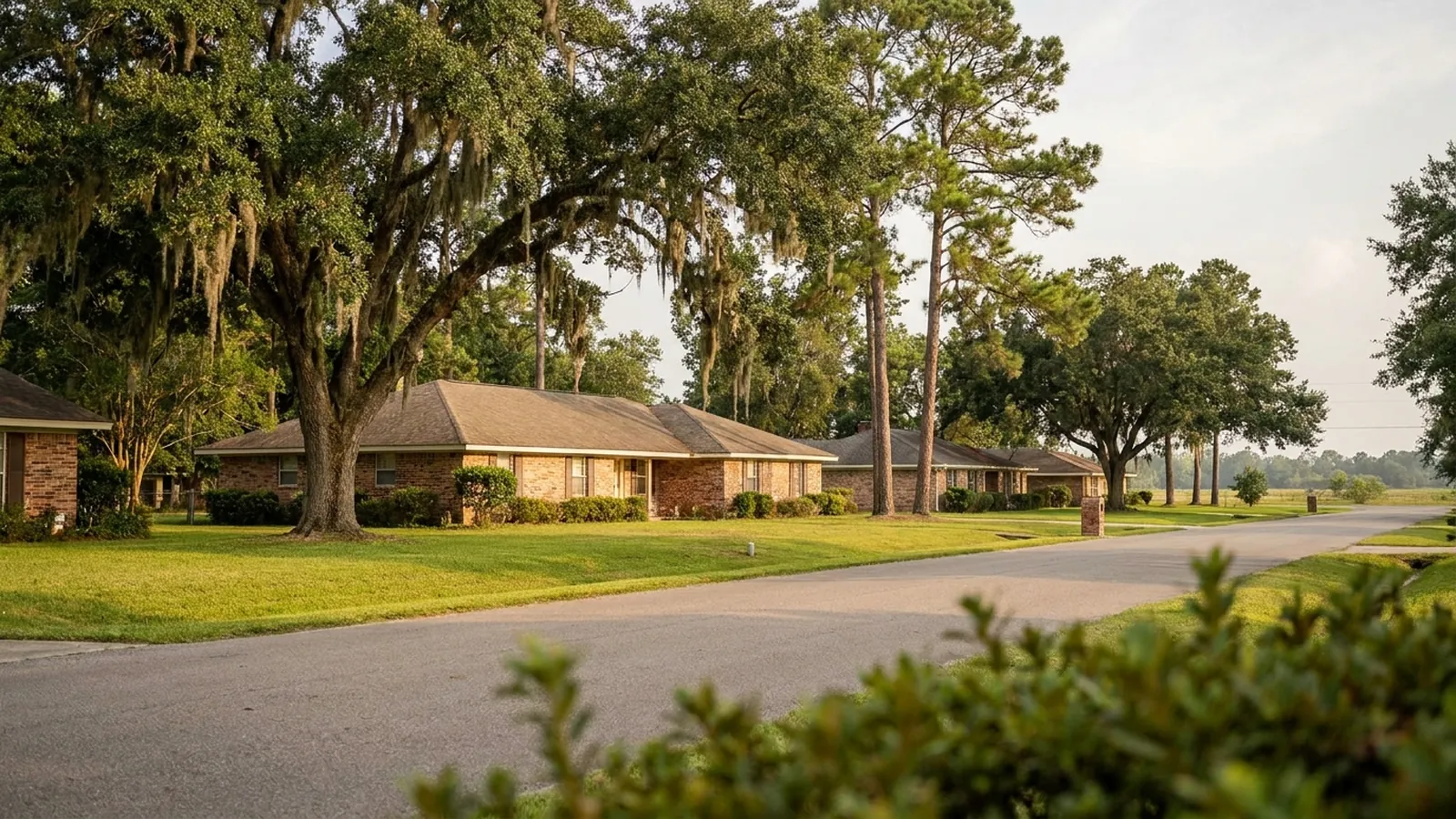
Louisiana publishes who holds a Mold Remediation classification, required above $7,500 and searchable by name, licence number, city or parish. Most states give homeowners nothing to check. Here the credential is a matter of record rather than of claim.
What to verify, what a documented repair should have left you with, and why an out-of-town crew is not automatically the problem.
The check that actually exists
Mold work is its own trade classification in this state. Past $7,500 a company needs that specific credential — a general residential or commercial licence is a different thing and does not cover it. The board maintains a public register.
So the first question is not "are you licensed" but "which classification do you hold", followed by looking it up rather than accepting the answer. That is a genuinely unusual advantage and it costs about a minute.
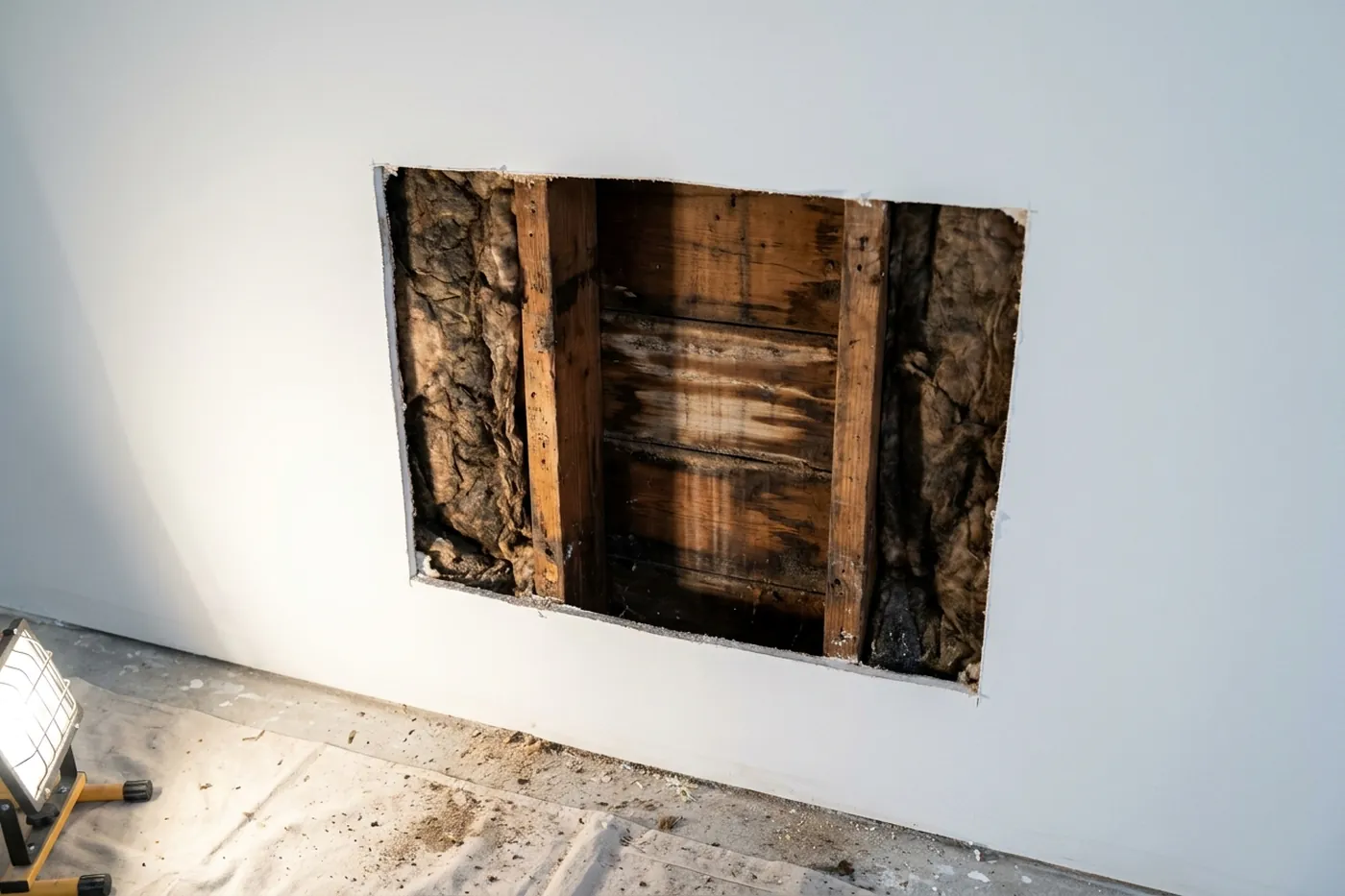
What a documented job leaves behind
| Document | Why it matters afterwards |
|---|---|
| A scope naming what was removed | Tells the next person what is behind the wall |
| Moisture readings before close-up | Proves the cavity was dry when it was sealed |
| The licence number on the paperwork | Makes the credential checkable after the fact |
| Photographs of the opened cavity | The only record of a space nobody can see again |
| What was left in deliberately, and why | Sometimes correct — but it should be stated |
If you have none of these for work done in 2021, that is extremely common and it is not a failing on your part. Documentation was not what anyone had capacity for. It is simply the reason an inspection opening answers in an hour what paperwork would have answered for free.
On out-of-town crews
A large amount of good, hard work was done in this area after 2020 by people who drove a long way to do it, and characterising them collectively would be both unfair and inaccurate.
The useful questions are not about where somebody was from. They are whether the right credential was held, whether the work was written down, and whether anyone remains reachable. A local company with none of those is worse than a travelling one with all three.
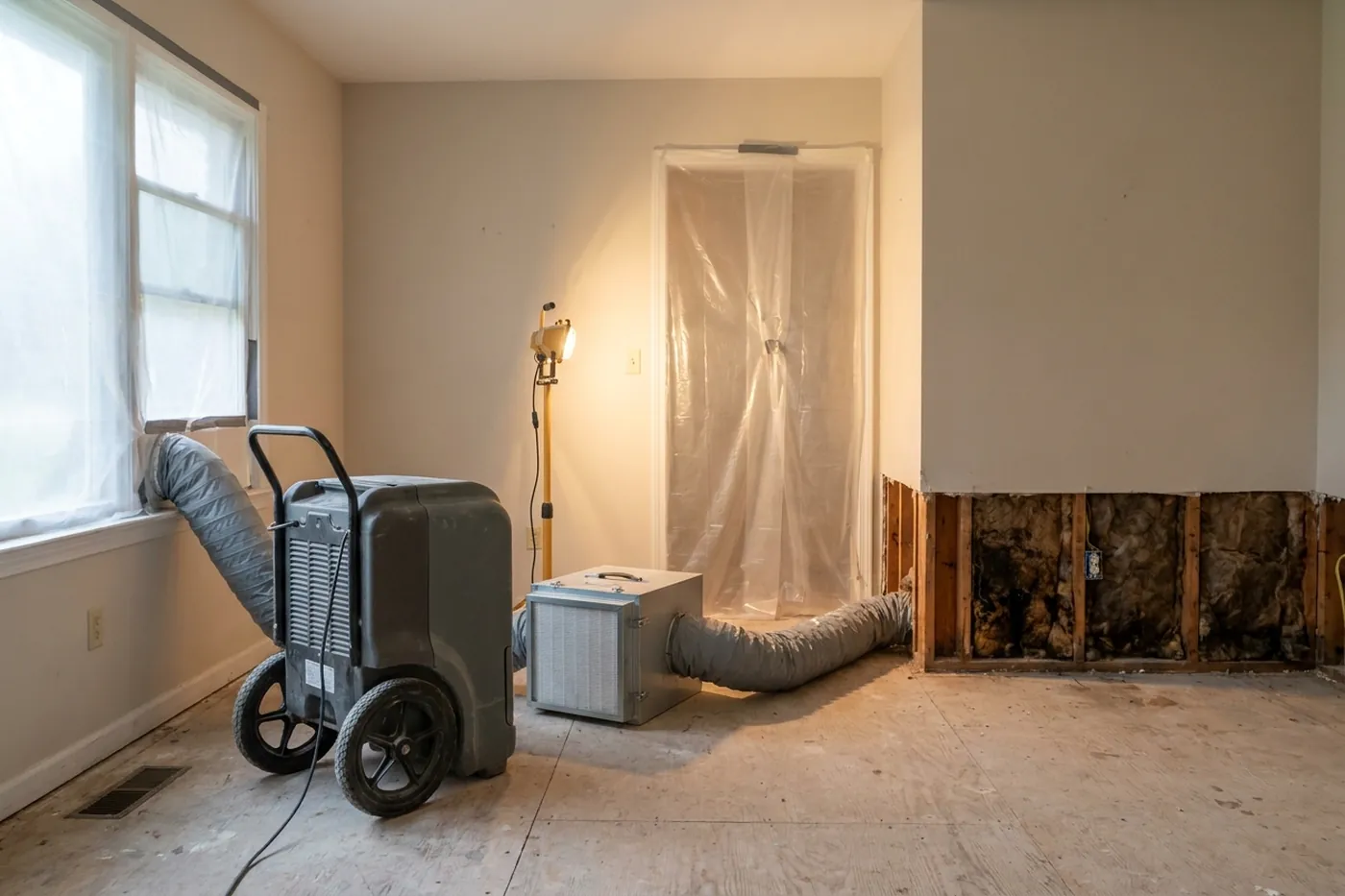
Questions worth asking now
- Which licence classification do you hold, and what is the number?
- Which materials leave the building, and which ones stay and get dried?
- What reading counts as dry here, and do I get to see it before you close up?
- Say the affected area runs wider than you assumed — what does that do to the price?
- Who do I call in a year if something reappears?
None of those are aggressive and all five are easy to answer if the answers are good. Ask the specialist who calls you back the same ones.
Checking a contractor, answered plainly
How do I check a mold company in Louisiana?
The state licensing board issues a Mold Remediation classification, required above $7,500, and publishes who holds it. You can search by company name, licence number, city, parish or contractor type. It takes about a minute and most states offer nothing equivalent.
What if the quote is under $7,500?
Then the classification is not legally required at that value, which is worth knowing rather than ignoring. Plenty of honest jobs cost less. But a quote pitched just under a regulatory threshold deserves one extra question about what happens if more material has to come out.
Is an out-of-town company automatically a problem?
An out-of-town company automatically isn't a problem, and it would be unfair to say so. A great deal of good work was done here after 2020 by crews who travelled in. What matters is whether they held the right credential, whether the work was documented, and whether anyone is still reachable if a question arises.
What documentation should I have from a repair?
A scope naming what was removed, moisture readings taken before close-up, and a licence number. If you have none of those for work done in 2021, that is extremely common and not your fault - it is simply why an inspection opening is worth doing now.
What if the company that did my repair no longer exists?
Then the practical route is forward rather than back: establish what is actually behind the wall now and deal with it. Pursuing a dissolved entity is usually a poor use of energy, though if a claim is open it is worth mentioning to your adjuster.
Book a Lake Charles mold inspection
If work was done on the house after 2020, tell us roughly what and roughly when — even “somebody replaced the ceiling, I do not know who” is useful. A great many houses here were repaired fast under conditions nobody chose, and what is behind that work is usually the question. A local specialist who serves Lake Charles will call you back.